The program will run approximately 2 hours.
White Nine
Director: Nilou Safinya
English | USA
30 min | Documentary
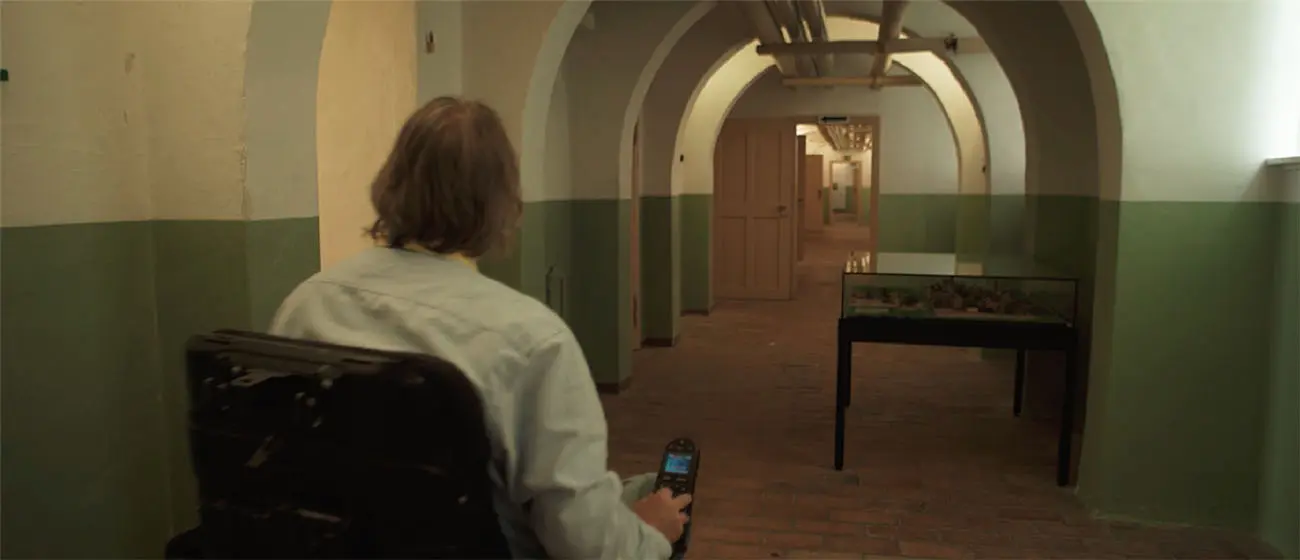
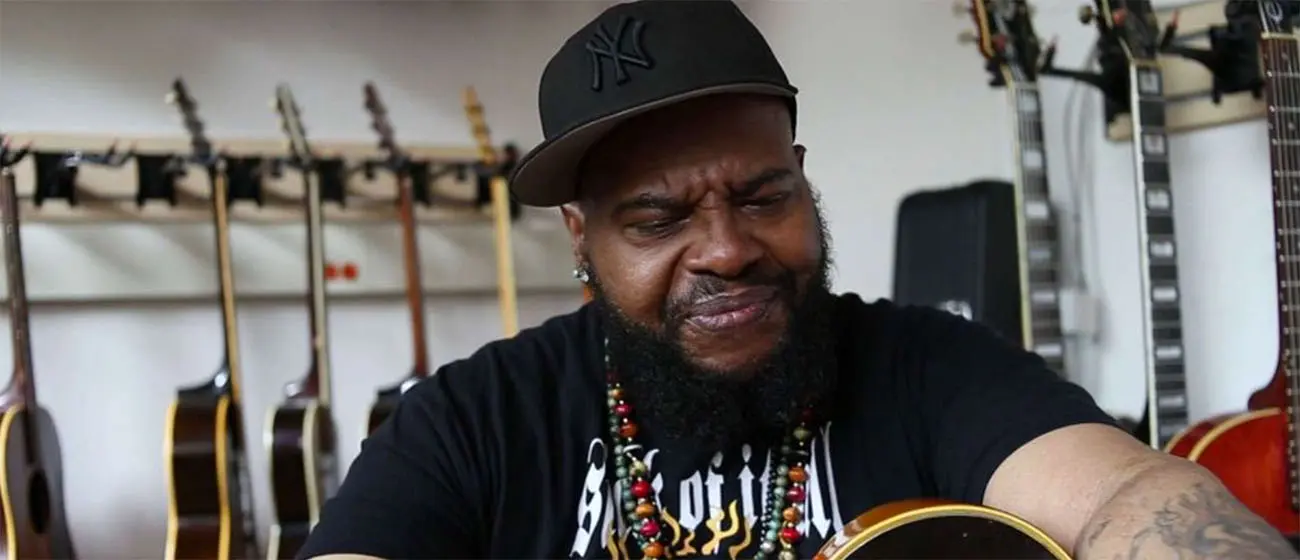
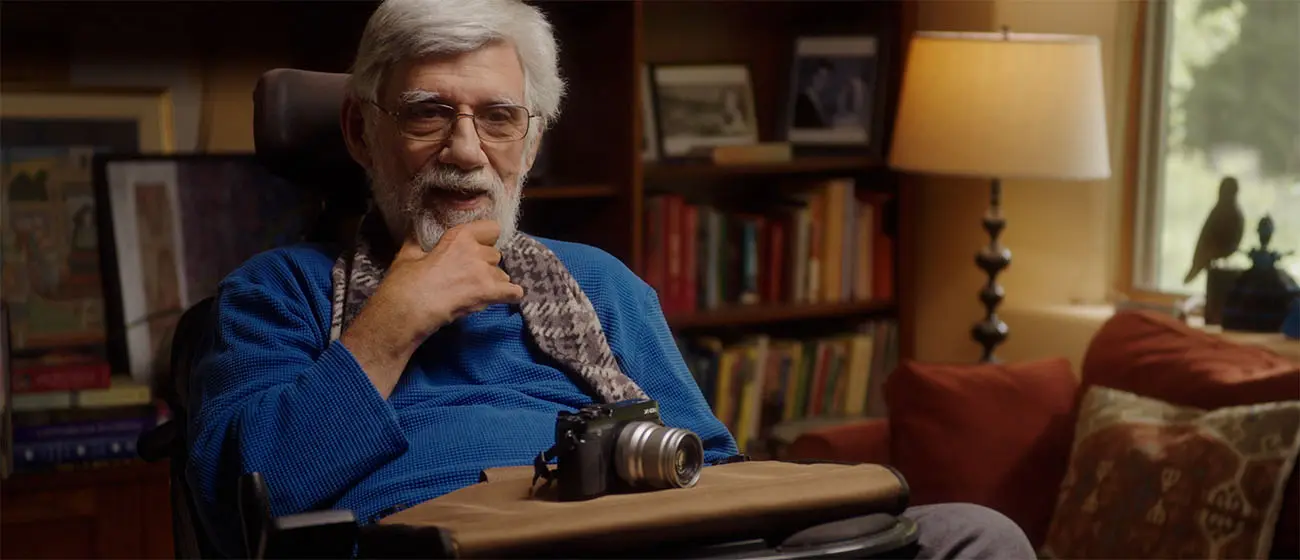
White Nine chronicles the independent living movement in Massachusetts through the story of three friends, Joe, Christos, and Charlie, whose lives were transformed by spinal cord injuries as teenagers. Their journey highlights the fight for independence, equality, and civil rights for people with disabilities. As the protections and promises of the ADA face growing challenges today, the film serves as both a tribute to hard-won progress and a call to continue defending disability rights.
Them That’s Not
Director: Mekhai Lee
English, American Sign Language | United States
19 min | Narrative
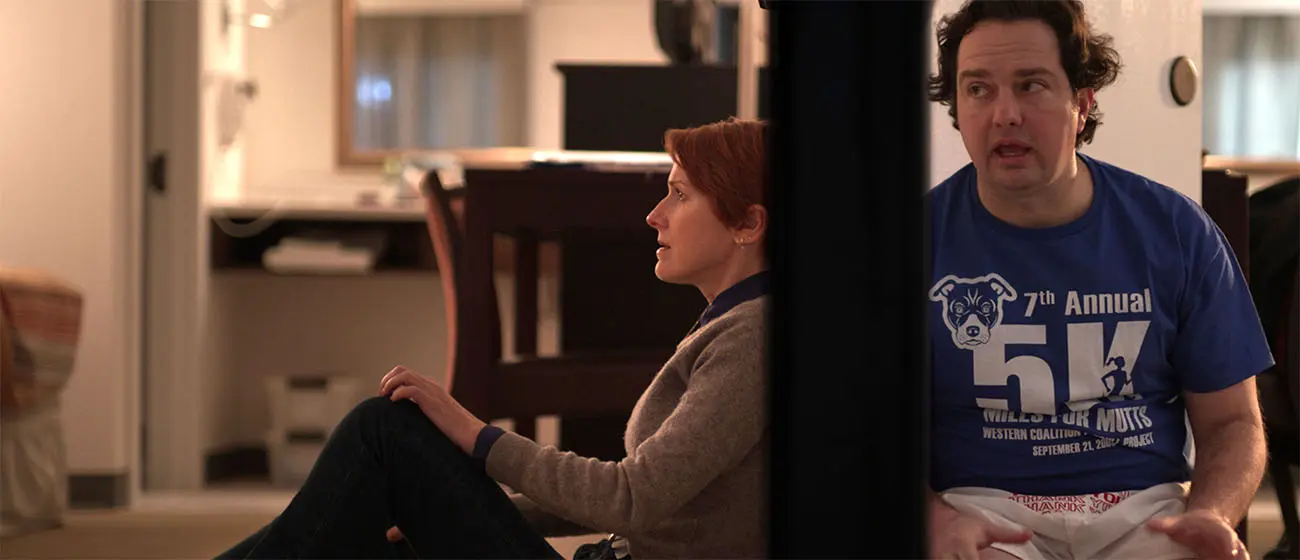
Them That’s Not follows Drea, a Deaf, queer poet who feels disconnected from her family while attending her grandmother’s repass. Seeking refuge from relatives who do not know ASL, she navigates grief and isolation until the arrival of her father, Samuel, who is temporarily released from prison to say goodbye to his mother. As the two confront their strained relationship, they are forced to find common ground before he returns to prison.
The How We Look Project (Appointment, Carnival, Court)
Director: Sofiya Cheyenne and Julie Forrest Wyman
English | United States
16 min | Narrative
The How We Look Project is a collection of three short films created and performed by Little People that explore dwarf culture, identity, and representation across different moments in history. Through stories centered on medical imaging, sideshow photography, and Renaissance portraiture, the films examine how people with dwarfism have been viewed, documented, and remembered. Together, they offer a thoughtful reflection on visibility, self-expression, and the power of shaping one’s own image and story.
The Blind Reggaetonera
Director: River Zhihui Zhang
English | USA
27 min | Documentary
The Blind Reggaetonera follows Precious Perez, a young blind woman pursuing her passion for music while advocating for disability rights and equal access to education. As she navigates dreams, relationships, and community impact, she dedicates herself to inspiring blind children to recognize their own potential. Through her story, the film explores identity, empowerment, and the belief that disability is not something to be fixed, but a valued part of who a person is.